CAIAG helps reduce disaster risks associated with floods, mudflows, and glacial lake outbursts

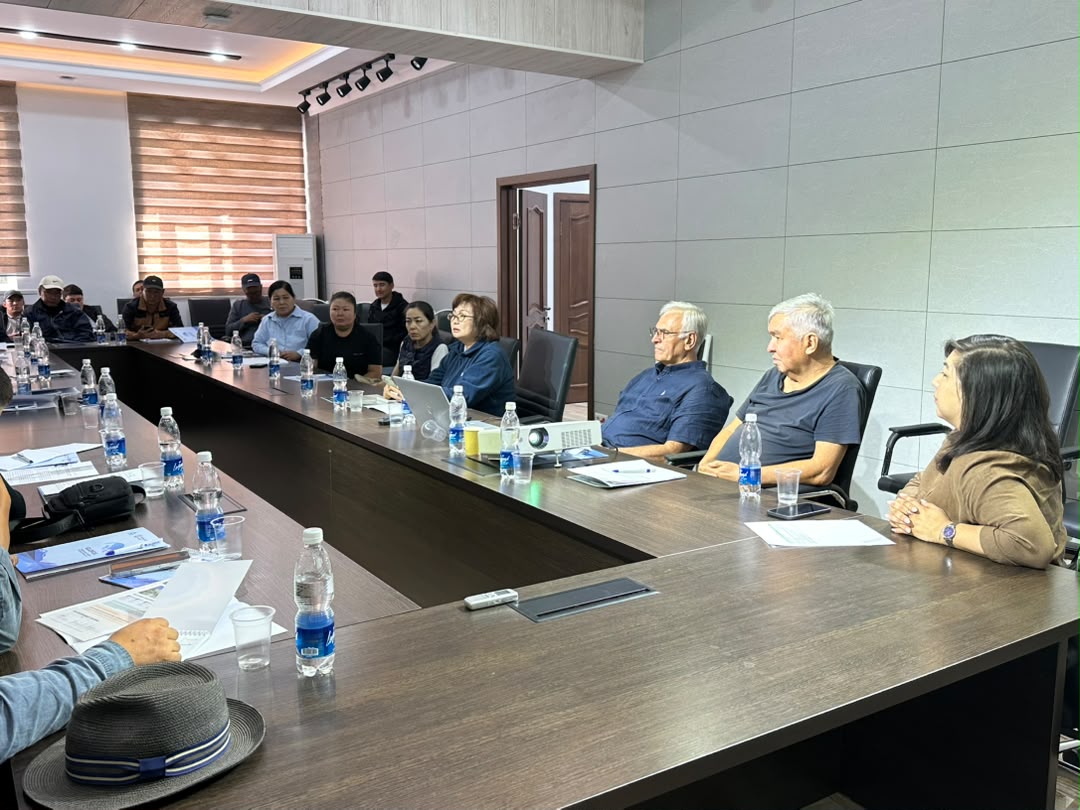
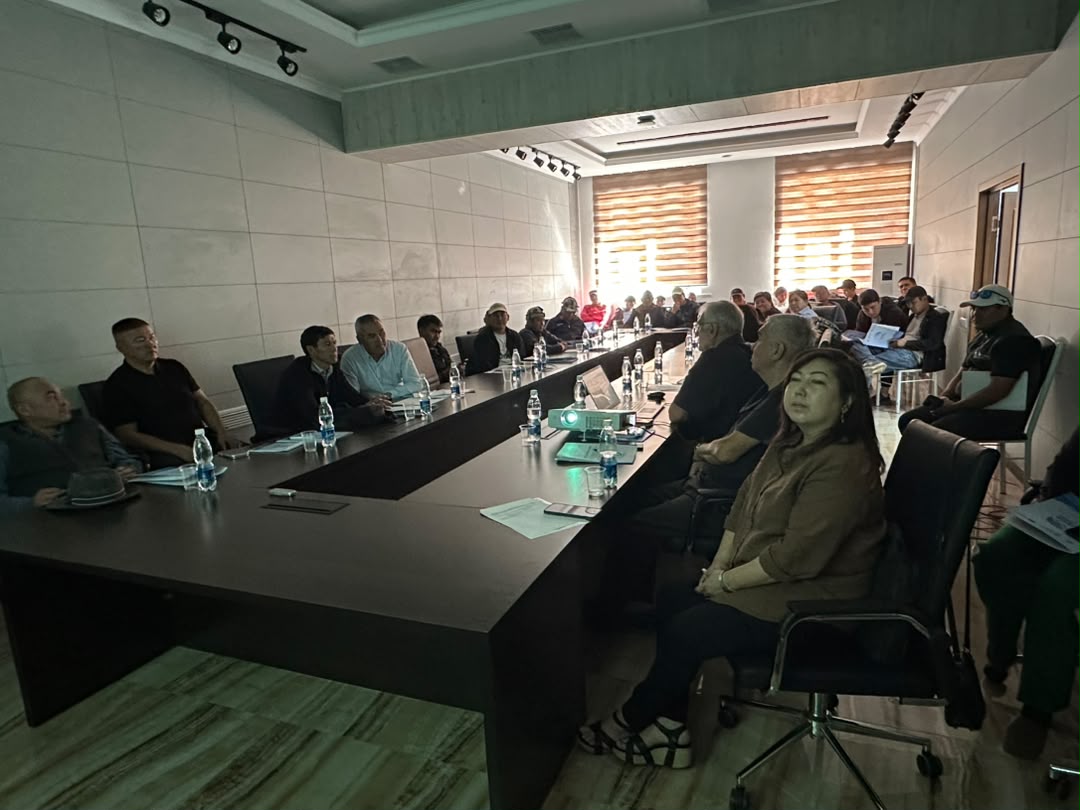
The Central Asian Institute for Applied Geosciences is conducting information sessions regarding the early warning system for flood threats.
On September 25, 2026, CAIAG staff met with the administration of Ala-Archa National Park to present an early warning system for mudflows and floods in the Ala-Archa River basin.
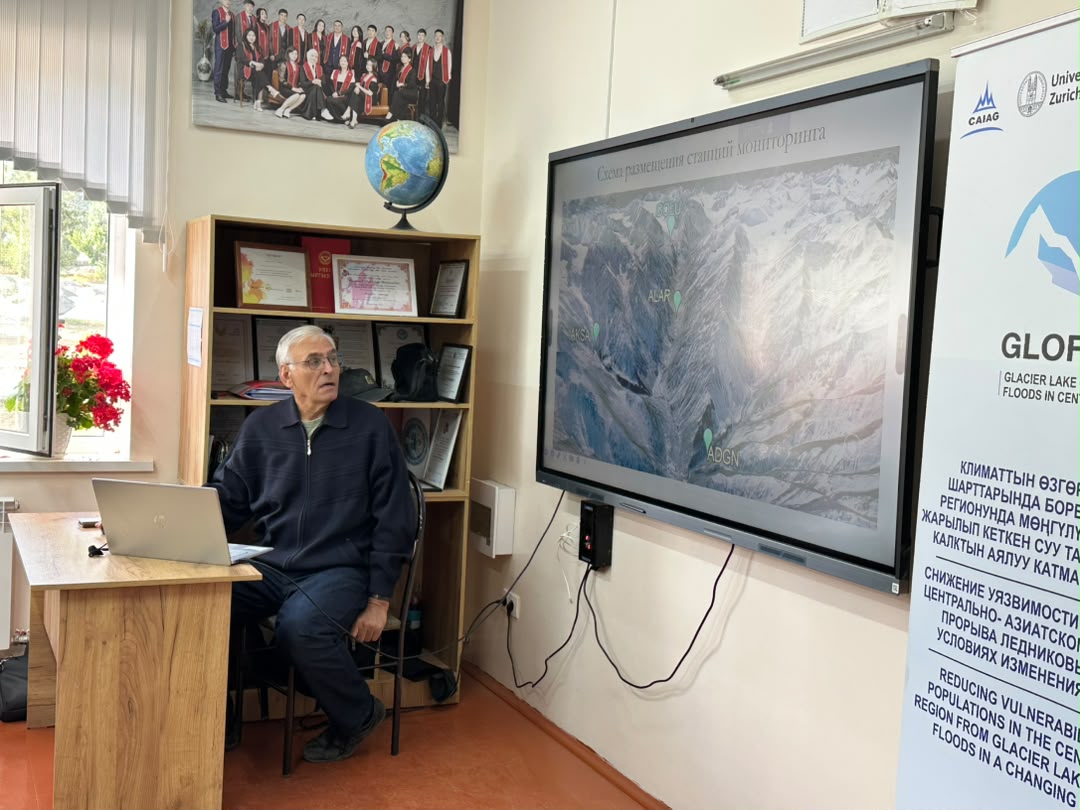
As part of the project "Reducing Vulnerability of Populations in the Central Asian Region from Glacial Lake Outburst Floods in a Changing Climate" (GLOFCA), CAIAG is installing equipment in Ala-Archa Park to measure water levels and flow velocities in the Adygene, Ak-Sai, and Ala-Archa rivers. Additionally, loudspeakers are being installed to alert the public in the event of a flood, mudflow, or mountain lake outburst, and to provide information on evacuation zones.
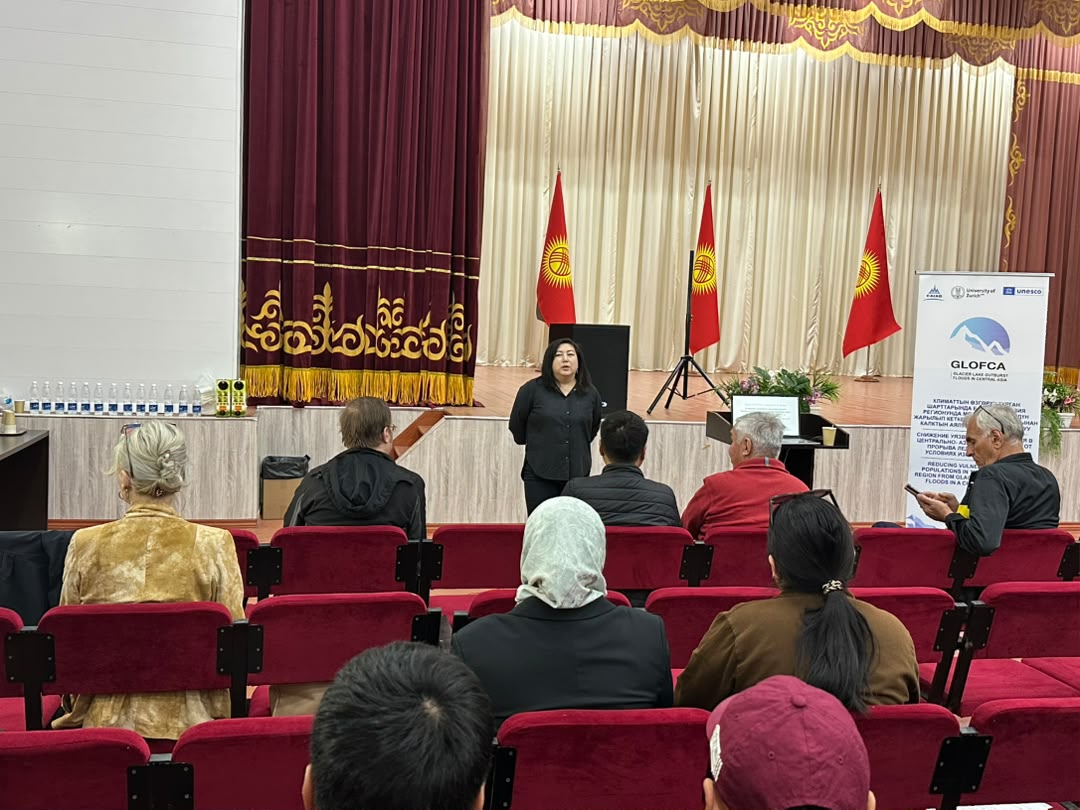
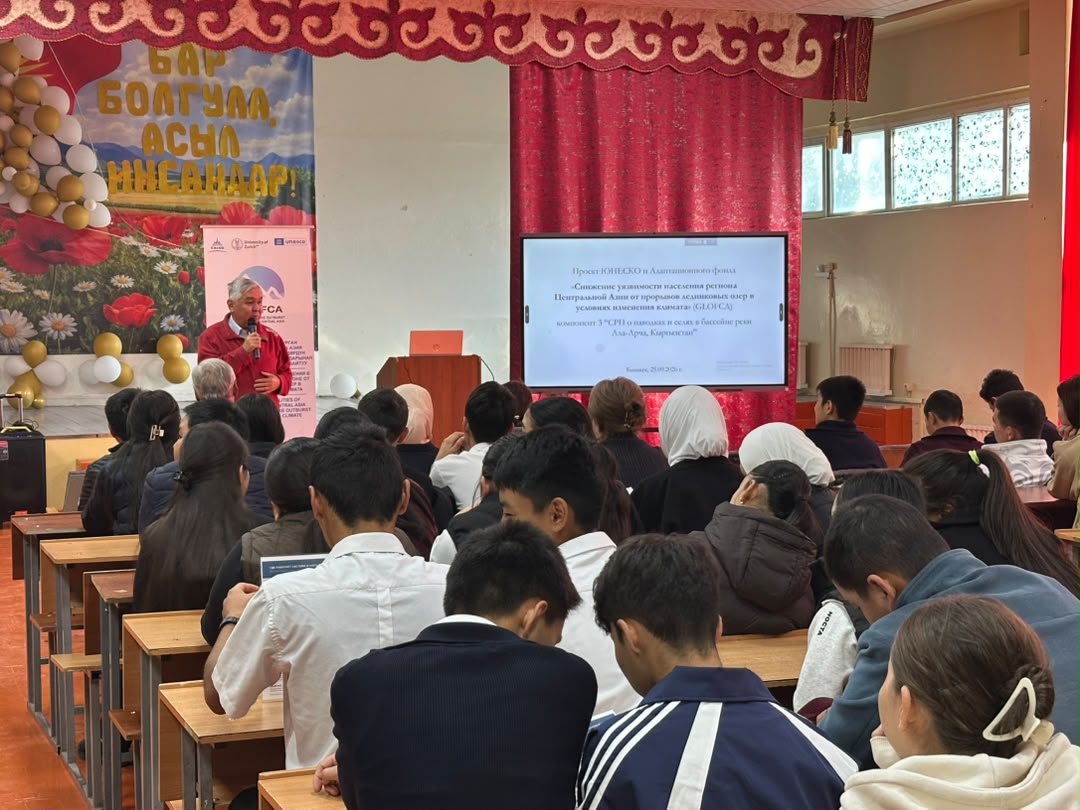
Head of the "Capacity Building and Scientific Cooperation" Department at CAIAG Nazgul Alybaeva, and National Project Coordinator for UNESCO in the Kyrgyz Republic Nazgul Sharshenova spoke about the project and its implementation.
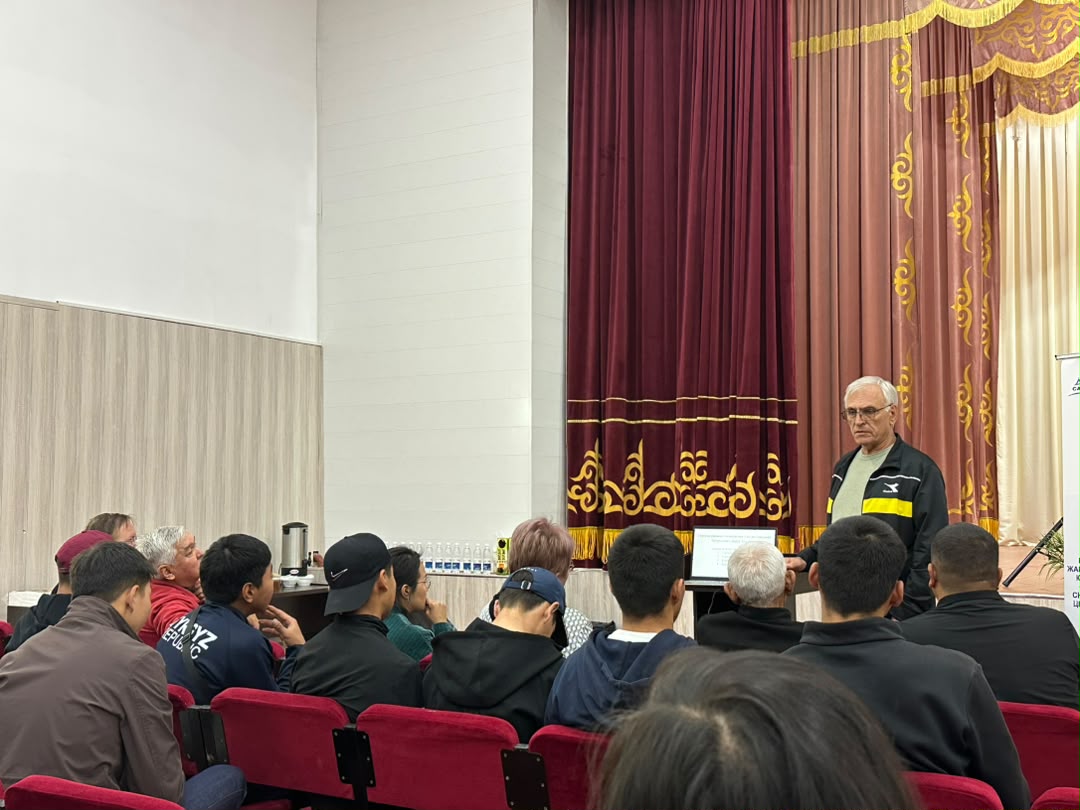
Senior Researcher in the "Climate, Water, and Geoecology" Department Ryskul Usubaliev discussed the impact of climate change on glacial lakes in the Ala-Archa River basin. Head of the "Monitoring and Data Management Systems" Department Alexander Zubovich described the monitoring stations, equipment installation sites, and the methods for assessing threats and transmitting alerts to the public.
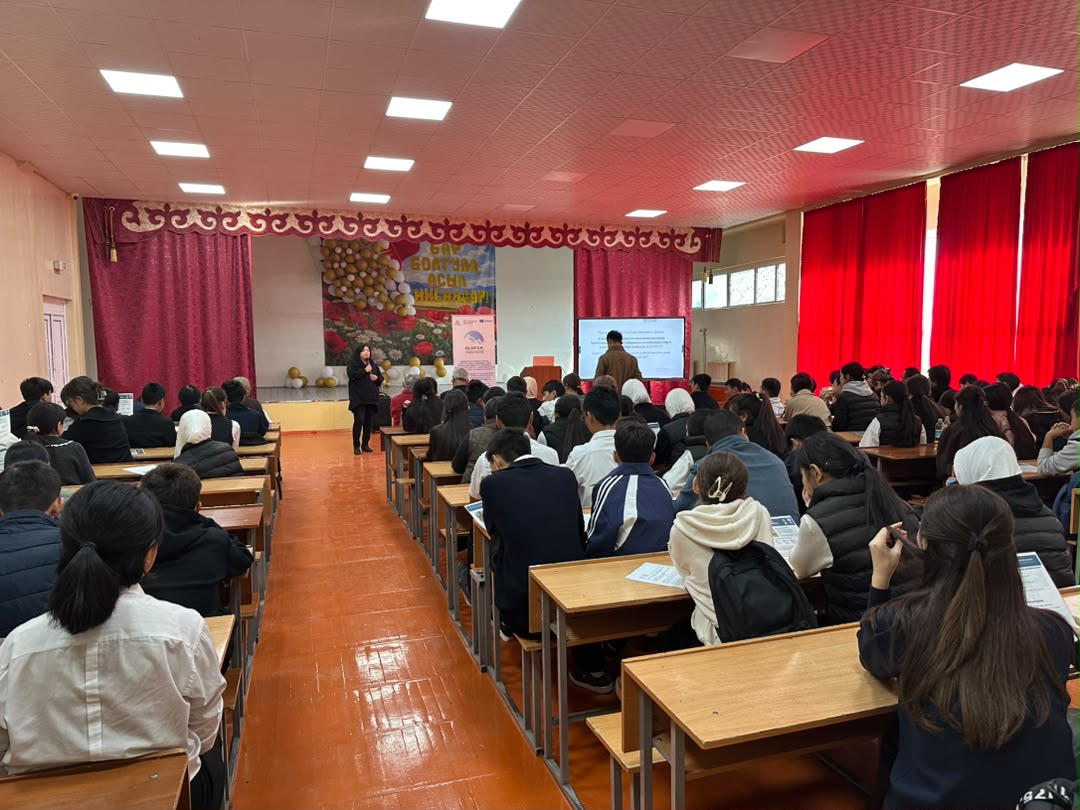
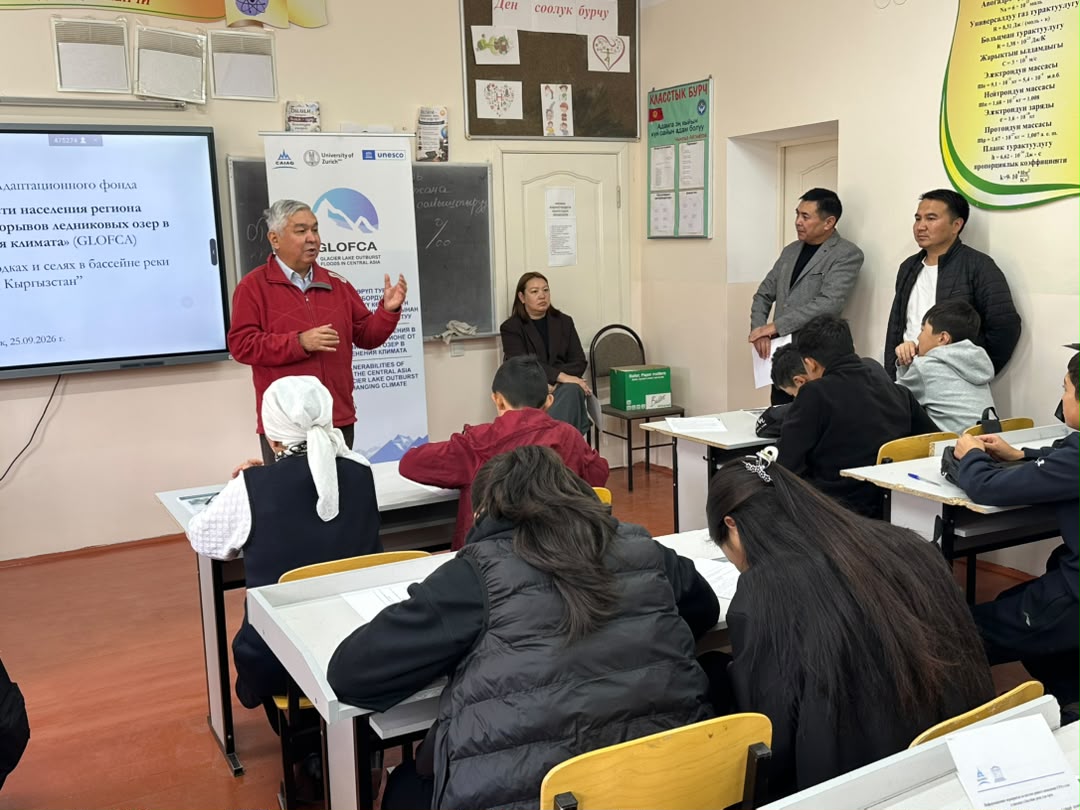
Information sessions were also organized as follows: on September 30 for residents of the Baytik Baatyr rural district; on October 1 for representatives of the Crisis Management Center; on October 7 for school pupils in grades 8–11 at the Secondary School named after A.Suyumbaev in Baitik village; and on October 9 at the Secondary School T.Aktanov in Kashka-Suu village.
The project "Reducing Population Vulnerability to Glacial Lake Outburst Floods (GLOFs) in the Context of Climate Change in Central Asia" is being implemented by the Central Asian Institute for Applied Geosciences (CAIAG) with the support of UNESCO, the GLOFCA Adaptation Fund, and the University of Zurich (Switzerland).
October 13 marks the International Day for Disaster Risk Reduction. It is worth noting that since 2004, the Central Asian Institute for Applied Geosciences has been working on forecasting natural and man-made catastrophic processes, as well as participating in the development of risk mitigation measures and informing the public about the consequences of disasters and emergency response procedures.